Our Latest Knowledges
Learn how to grow your business with our expert advice.
10 min(s)
35
PEC EMS Solutions
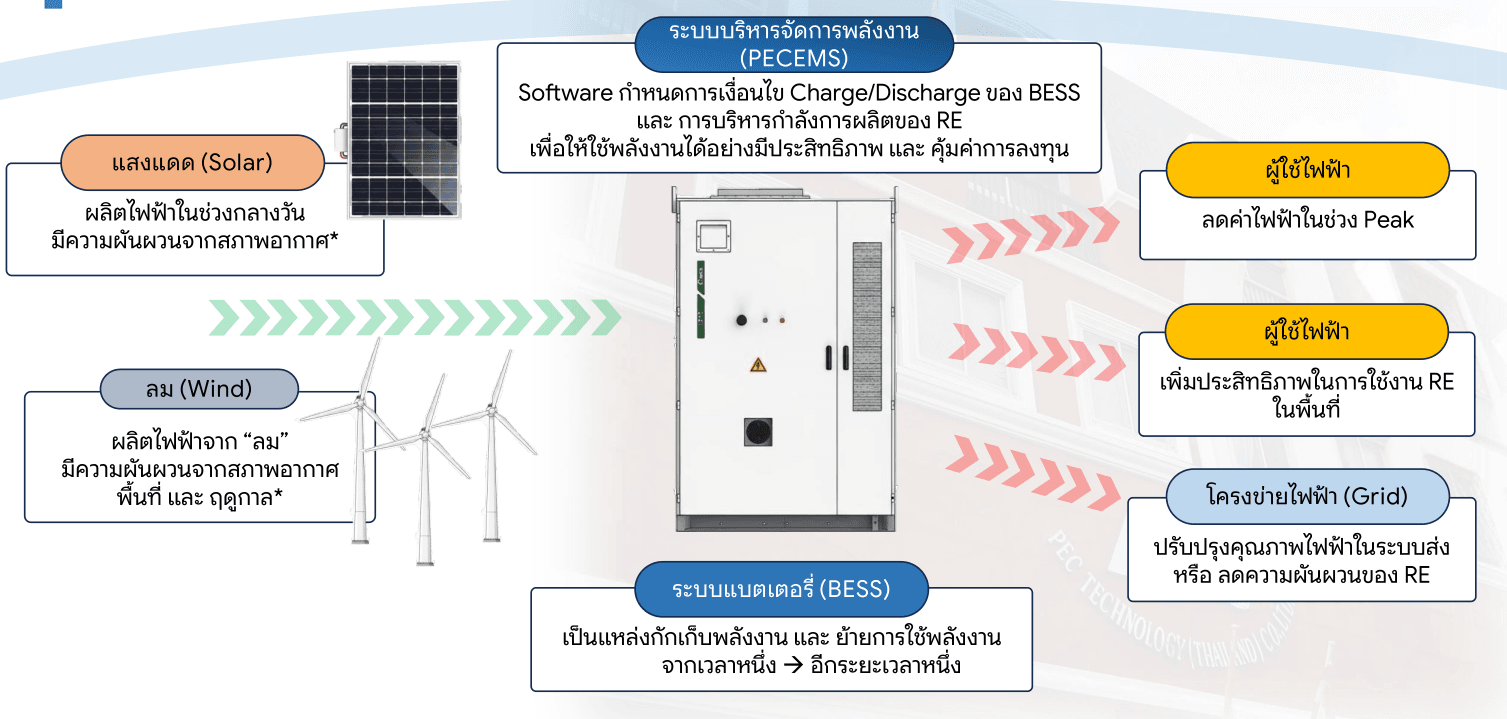
PECEMS ระบบ Energy Management System ที่ออกแบบสำหรับโซลาร์และ BESS ช่วยควบคุมพลังงาน ลดค่าไฟช่วงพีค ทำ Zero-export และเพิ่มประสิทธิภาพการใช้พลังงานในโรงงานและอุตสาหกรรม

Chanthawit Anuntasethakul
Project Manager
3 min(s)
22
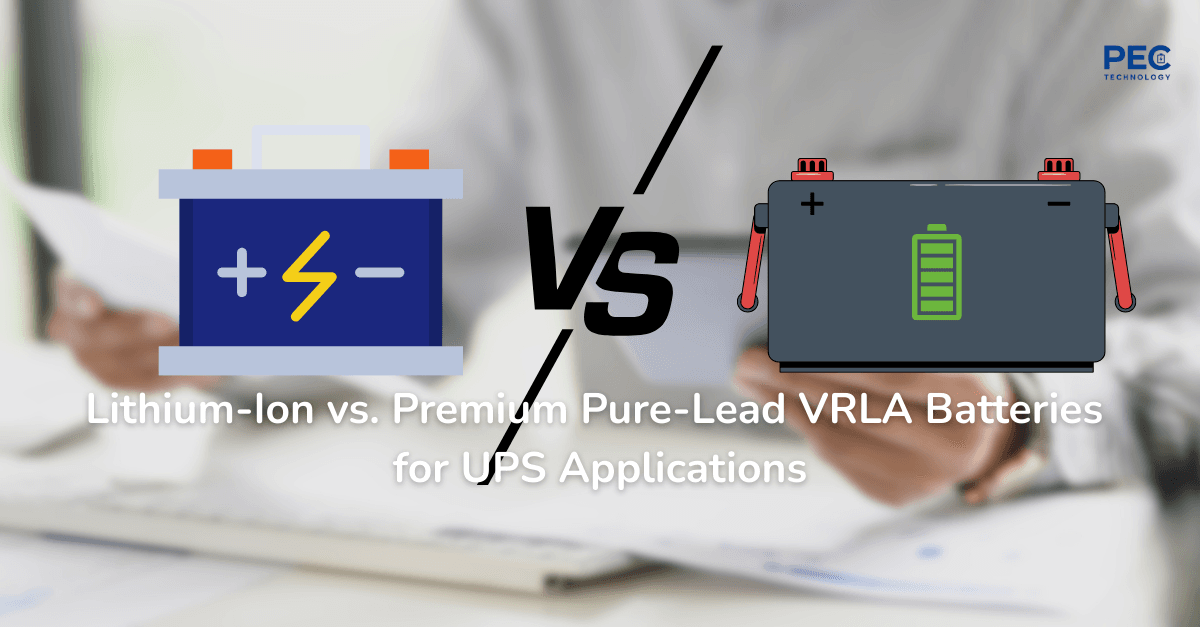
Lithium-Ion vs. Premium Pure-Lead VRLA Batteries for UPS Applications
When it comes to Uninterruptible Power Supply (UPS) systems, choosing the right battery technology is critical. Two of the most common contenders are **Lithium-Ion (Li-ion, specifically LFP)** and **Premium Pure-Lead Acid VRLA (TPPL)**. This article compares their **safety** and **performance** attributes against traditional VRLA batteries to help businesses and engineers make informed decisions.

Mr. Kasiean Sukemoke
Founder & MD
5 min(s)
45
Mapping the Capacity–Conductance Boundary in VRLA Lead-Acid Batteries
This article distills a technical study into a practical, plain-English guide on how **electrolyte conductance** and **deliverable capacity** relate inside **VRLA (valve-regulated lead-acid)** batteries. By modeling the **electrolyte** (acid + water) and the **plates** (active materials) separately—and then combining their constraints—we obtain **upper and lower bounds** that define where a battery’s **normalized conductance** \(G_d/G_n\) and **normalized capacity** \(Ah_d/Ah_n\) can realistically sit. The result helps field engineers interpret conductance readings, separate **undercharge/sulfation** from **electrolyte dry-out**, and decide when capacity testing or replacement is justified.
Mr. Kasiean Sukemoke
Founder & MD
4 min(s)
27
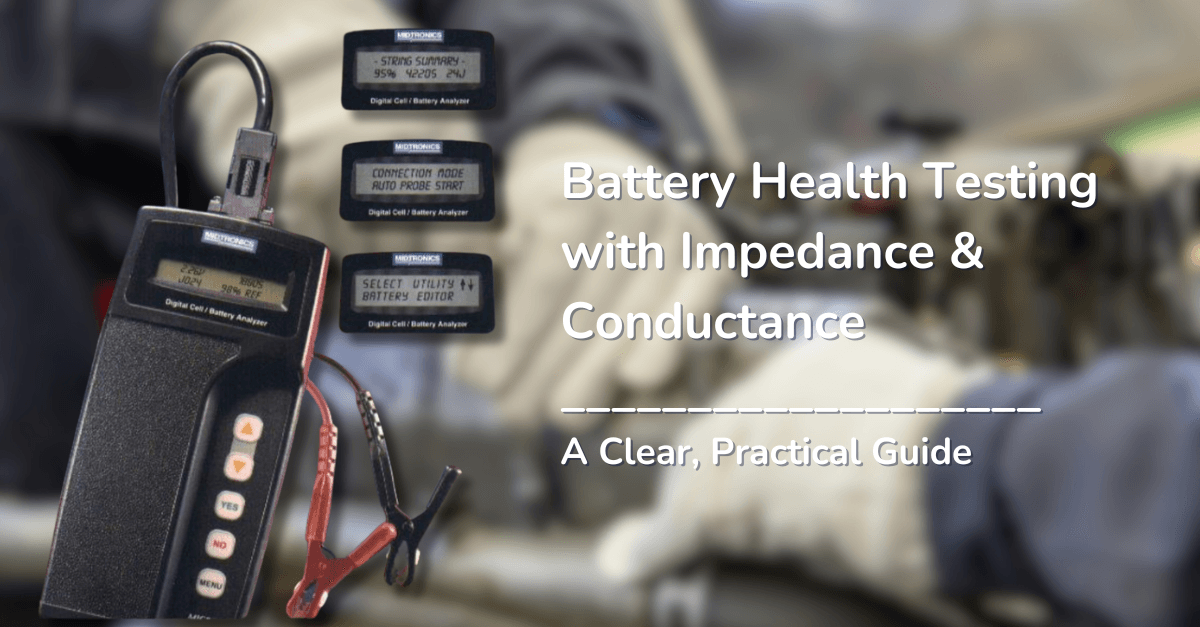
Battery Health Testing with Impedance & Conductance: A Clear, Practical Guide
Impedance and conductance tests provide a fast, non-destructive way to assess battery health—especially for lead-acid and VRLA cells—without doing a full discharge test. This article explains what these tests measure, why baseline values matter more than one-off readings, and how to build a simple trending program that reliably flags aging cells before they fail.
Mr. Kasiean Sukemoke
Founder & MD
3 min(s)
35
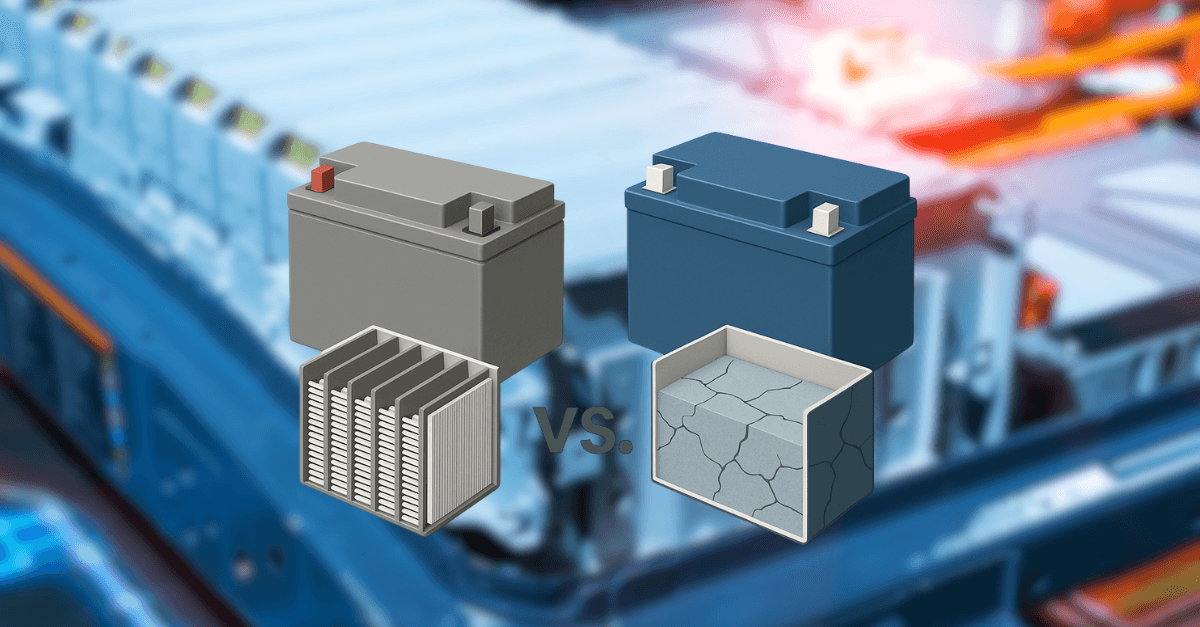
Choosing and Using VRLA Batteries (AGM vs. Gel): A Practical Guide
Valve Regulated Lead-Acid (VRLA) batteries are widely used in critical power systems because they’re sealed, low-maintenance, and safe when operated correctly. This guide explains how VRLA batteries work, compares Absorbent Glass Mat (AGM) and Gel technologies, and gives clear, field-ready advice for selecting the right type and operating it for long life.
Mr. Kasiean Sukemoke
Founder & MD
All of Our Knowledges
PEC EMS Solutions
PECEMS ระบบ Energy Management System ที่ออกแบบสำหรับโซลาร์และ BESS ช่วยควบคุมพลังงาน ลดค่าไฟช่วงพีค ทำ Zero-export และเพิ่มประสิทธิภาพการใช้พลังงานในโรงงานและอุตสาหกรรม
Lithium-Ion vs. Premium Pure-Lead VRLA Batteries for UPS Applications
When it comes to Uninterruptible Power Supply (UPS) systems, choosing the right battery technology is critical. Two of the most common contenders are **Lithium-Ion (Li-ion, specifically LFP)** and **Premium Pure-Lead Acid VRLA (TPPL)**. This article compares their **safety** and **performance** attributes against traditional VRLA batteries to help businesses and engineers make informed decisions.
Mapping the Capacity–Conductance Boundary in VRLA Lead-Acid Batteries
This article distills a technical study into a practical, plain-English guide on how **electrolyte conductance** and **deliverable capacity** relate inside **VRLA (valve-regulated lead-acid)** batteries. By modeling the **electrolyte** (acid + water) and the **plates** (active materials) separately—and then combining their constraints—we obtain **upper and lower bounds** that define where a battery’s **normalized conductance** \(G_d/G_n\) and **normalized capacity** \(Ah_d/Ah_n\) can realistically sit. The result helps field engineers interpret conductance readings, separate **undercharge/sulfation** from **electrolyte dry-out**, and decide when capacity testing or replacement is justified.
Battery Health Testing with Impedance & Conductance: A Clear, Practical Guide
Impedance and conductance tests provide a fast, non-destructive way to assess battery health—especially for lead-acid and VRLA cells—without doing a full discharge test. This article explains what these tests measure, why baseline values matter more than one-off readings, and how to build a simple trending program that reliably flags aging cells before they fail.
Choosing and Using VRLA Batteries (AGM vs. Gel): A Practical Guide
Valve Regulated Lead-Acid (VRLA) batteries are widely used in critical power systems because they’re sealed, low-maintenance, and safe when operated correctly. This guide explains how VRLA batteries work, compares Absorbent Glass Mat (AGM) and Gel technologies, and gives clear, field-ready advice for selecting the right type and operating it for long life.
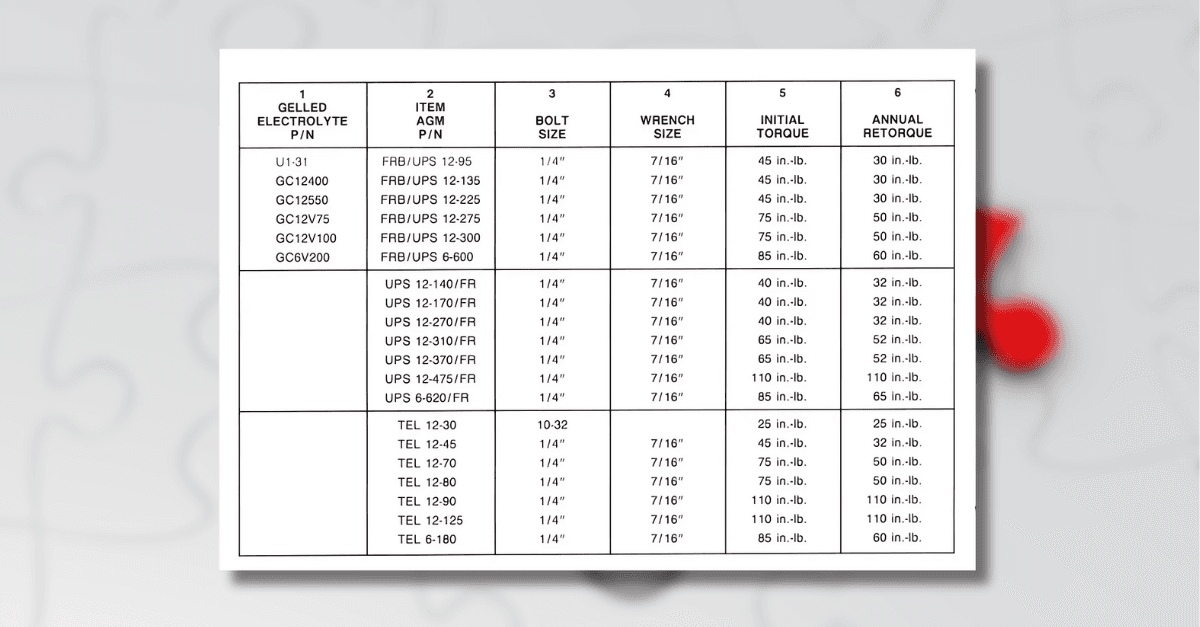
Capacity Testing of VRLA Batteries: A Clear, Practical Guide
Capacity testing verifies whether a valve-regulated lead–acid (VRLA) battery bank can still deliver the current or power promised by its manufacturer over a specified time at a defined end-of-discharge voltage and temperature. This guide turns the technical procedure into a step-by-step checklist you can use in the field, with simple math to calculate the **Rated Capacity (%)** and account for temperature

Thermal Runaway in Lead-Acid Batteries: Causes, Risks, and Practical Prevention
Thermal runaway is a dangerous feedback phenomenon in battery systems where rising temperature drives higher charging current, which in turn generates more heat—potentially leading to swelling, venting, or even fire.* This article explains the mechanism in plain language and distills field-ready practices to prevent it.
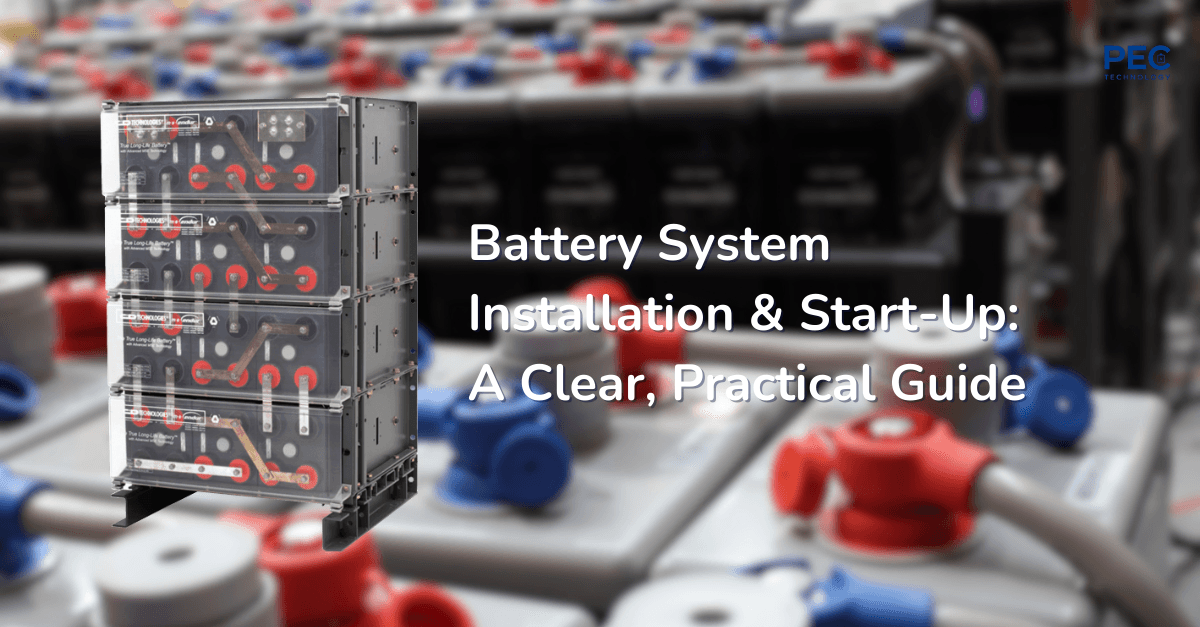
Battery System Installation & Start-Up: A Clear, Practical Guide
This guide distills the uploaded “Battery System Installation and Start-Up Instructions” into a concise, field-ready article. It focuses on safety, preparation, installation sequencing, initial charging (“freshening charge”), and post-install checks for VRLA (valve-regulated lead–acid) battery systems.*
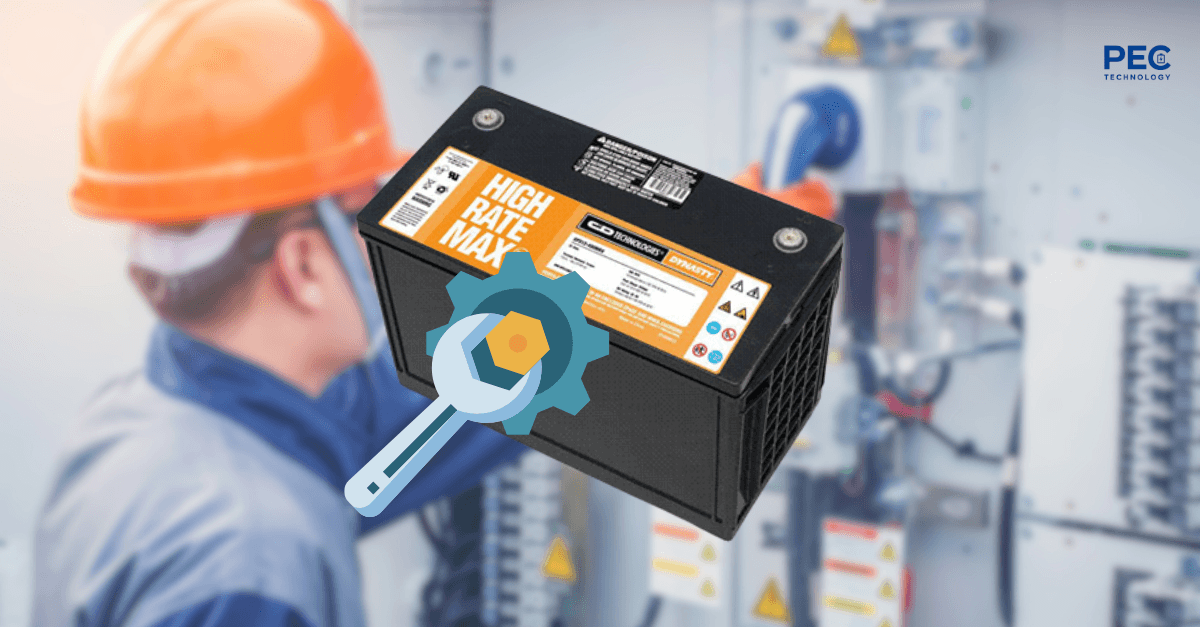
Dynasty VRLA Battery System: Maintenance and Troubleshooting Guide
Valve-Regulated Lead-Acid (VRLA) batteries are widely used in backup power systems due to their sealed design and low maintenance requirements. However, to ensure reliable performance and long service life, regular inspection and systematic maintenance are essential. This guide summarizes the **periodic maintenance steps**, **troubleshooting methods**, and **best practices** for Dynasty VRLA battery systems.
Tags
Ready to Upgrade Your Power Infrastructure?
Connect with PEC Technology Today!
- Call: 02 907 8521
- Email: sales@pectecth.co.th
- Visit us at: 181‑183 Sukontasawat Rd., Ladprao, Bangkok
Secure reliable power. Minimize downtime. Future‑proof your systems.